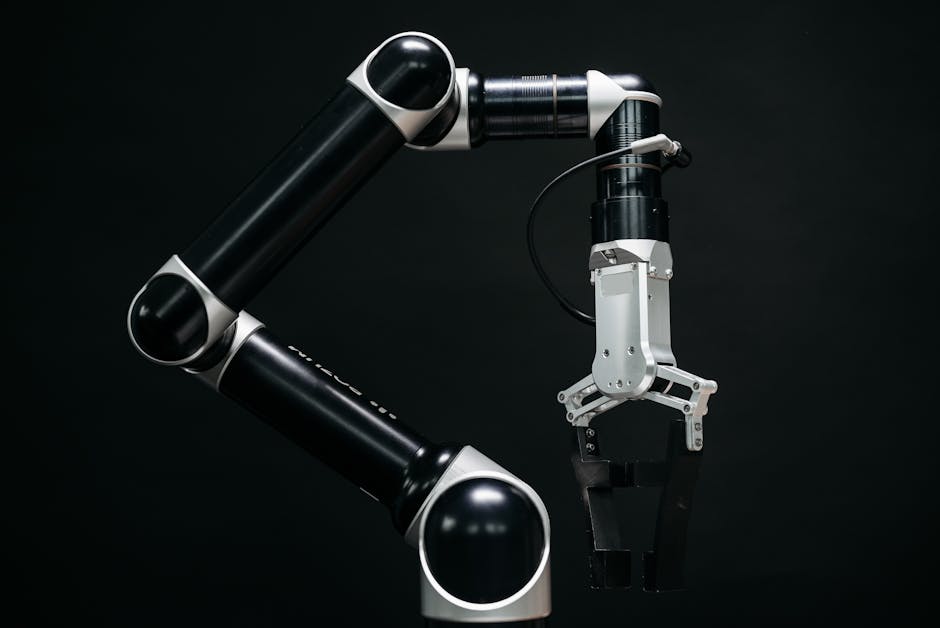
The term "Fourth Industrial Revolution" was popularised by Klaus Schwab, founder and executive chairman of the World Economic Forum, in a 2016 book of the same name. It describes the current wave of technological change - characterised by the fusion of digital, physical and biological systems through AI, robotics, the Internet of Things, advanced manufacturing and biotechnology - as a qualitatively distinct shift from previous industrial revolutions rather than simply a continuation of the digital revolution.
Understanding what the Fourth Industrial Revolution actually means in practical terms helps explain why the commercial opportunity in AI territory partnerships is structural rather than cyclical - and why it matters for career and income decisions in 2026.
The Previous Industrial Revolutions in Brief
The First Industrial Revolution (1760 to 1840) was the mechanisation of production through steam power - transforming an agrarian economy into an industrial one and displacing agricultural labour while creating manufacturing employment. The Second (1870 to 1914) was the electrification of industry - enabling mass production and transforming both manufacturing and services. The Third (1960 to 2000) was the digital revolution - computers, telecommunications and the internet transforming information handling and creating the knowledge economy. Each revolution displaced some roles and created many more, with the net employment effect positive over the medium to long term.
4th revolution
AI, robotics, IoT and biotech fusing into a new economic paradigm
Faster
Changing faster than previous revolutions - adaptation window is shorter
Broader
Affecting every sector simultaneously, not sequentially
Now
We are in the middle of it - the decisions made in 2026 matter significantly
Why This Creates the AI Territory Opportunity
Every industrial revolution creates an adoption gap - the period between when new technology becomes commercially available and when the mainstream of businesses has implemented it. The people who bridge that gap - who help businesses navigate the transition from old to new - consistently build commercially significant positions. In the Third Industrial Revolution, IT consultants and digital agencies bridged the gap. In the Fourth, AI territory partners are doing the same. The AI Agency Boxed programme trains and supports exactly this bridging role.
Bridge the AI Adoption Gap in Your Area
The Fourth Industrial Revolution creates the opportunity. AI Agency Boxed gives you the tools.
Apply to AI Agency Boxed Today